Oak, Maple, or Hickory? How to Pick the Hardwood Species That Fits Your New Floor
QUICK ANSWER: Red oak, white oak, maple, and hickory are the four species most homeowners consider for a new hardwood installation, and each one wins for a different reason. Red oak has a lively grain that hides everyday wear. White oak is a bit harder, has a tighter grain, and takes modern stains well. Maple is hard and smooth with a pale, even look, but its fine grain shows scratches and blotches easily under dark stain. Hickory is the hardest of the group and has bold color variation that hides dents and pet traffic. The right pick depends on how the room is used, the look you want, and how the wood will be acclimated and installed in a humid Georgia home.
The samples are lined up on the kitchen island. One is a warm, wavy red oak. One is a cooler white oak with a quieter grain. There is a pale maple board that looks almost like a piece of furniture, and a hickory sample that seems to hold three different colors in a single plank. Everyone in the house has a favorite, and nobody can quite explain why.
That moment comes up in nearly every hardwood installation we plan. Species is the first real decision, and it shapes almost everything that follows: how the floor wears, how it takes stain, how it reacts to a muggy August, and how it looks twenty years from now when the furniture has moved around a few times.
The good news is that there is no wrong answer among these four. There is only a better fit for your rooms, your household, and your taste. Here is how we help homeowners sort it out before a single board goes down.
Why Species Matters Before Installation Day
Hardwood is a natural material, and every species carries its own density, grain structure, and color. Those traits decide how a floor handles daily life.
Hardness Affects Dents, Not Scratches Alone
The Janka hardness test measures wood’s resistance to dents. Higher ratings help flooring withstand dropped objects, chair legs, and high heels.
Grain Decides How Much Wear You Notice
Open, varied grain patterns disguise minor marks, while fine, uniform grain highlights scuffs and scratches, making everyday wear more noticeable.
Color And Stain Behavior Shape The Design
Some wood species absorb stains evenly, while others develop patchy finishes. Choose species based on your preferred color and stain depth.
Movement Matters In Our Climate
Metro Atlanta’s humid summers and dry winters cause wood to expand and contract. Species and board width influence visible seasonal movement.
Red Oak: The Familiar Favorite
Red oak has been the backbone of American hardwood floors for generations, and plenty of homes around Marietta and Kennesaw still have original red oak underneath old carpet.
Its average Janka rating sits around 1,290, which makes it the reference point most people use when they compare species. It is hard enough for family living and forgiving enough that normal wear blends in.
What It Looks Like
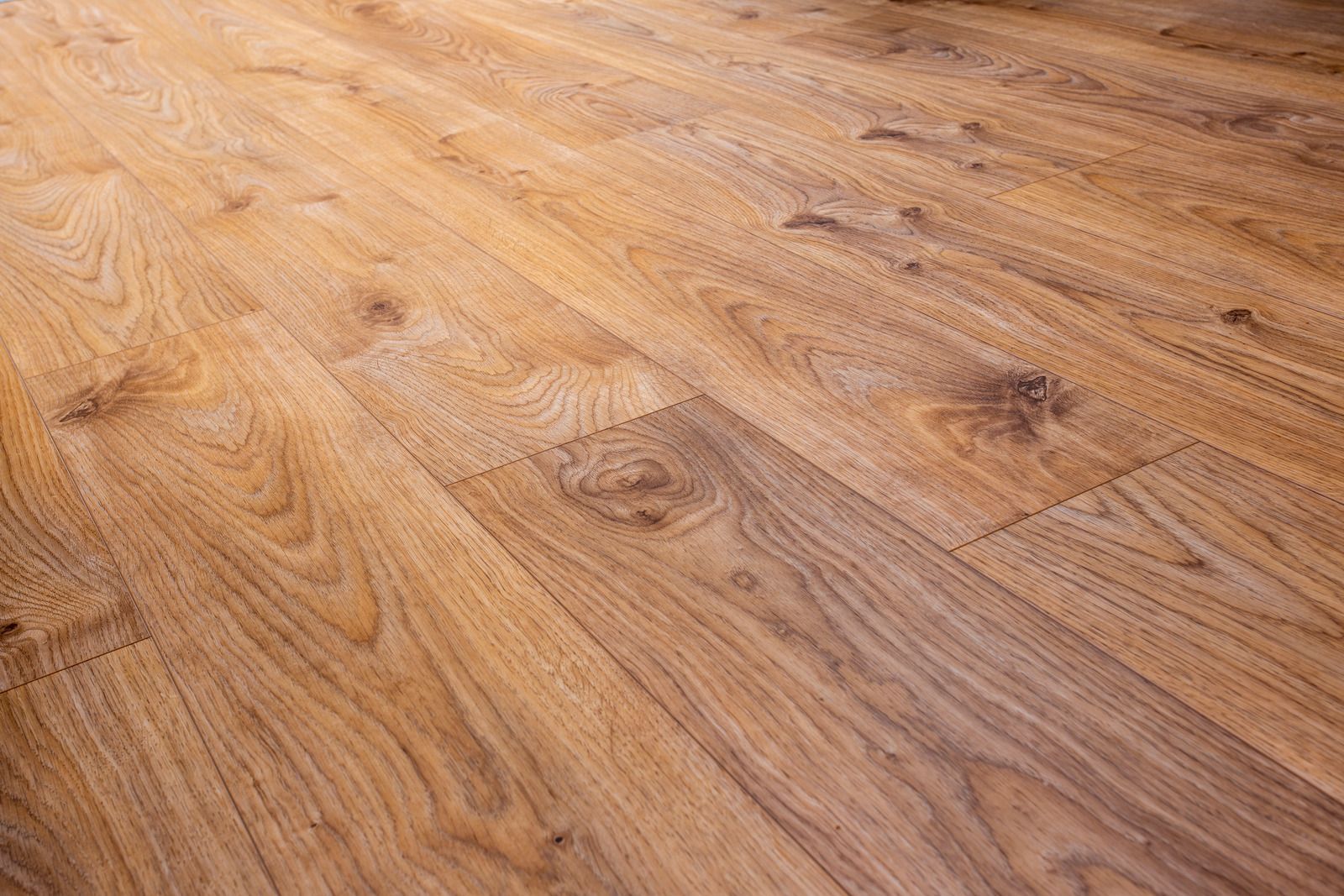
Red oak features warm pink and rust undertones with open, varied grain that helps disguise minor dents and scratches in busy rooms.
How It Takes Stain
Red oak accepts stains evenly, from natural finishes to deep browns. Its warm undertones may appear pink beneath cool gray stains.
Where It Works Best
Red oak suits living rooms, dining rooms, bedrooms, and busy family spaces. It also blends naturally with existing oak flooring elsewhere in the home.
White Oak: The Designer's Pick
White oak has become the most requested species in a lot of new installations, and it is easy to see why. It sits a step harder than red oak, with an average Janka rating near 1,360, and it has a cleaner, more modern feel.
What It Looks Like
White oak ranges from soft tan to grayish brown, with tighter grain and straighter patterns. Quartersawn boards feature distinctive ray flecks.
How It Takes Stain
White oak accepts natural finishes, light Scandinavian tones, warm browns, and cool grays. Its neutral undertones also suit fumed and reactive finishes.
How It Handles Moisture
White oak’s closed cell structure offers some moisture resistance, making it suitable for kitchens and open-plan spaces, though it is not waterproof.
Where It Works Best
White oak suits open-concept main floors, connected kitchens and living areas, and contemporary interiors featuring light, calm, or neutral design palettes.
TIP: Ask to see full planks, not small chips, and look at them in your own rooms at different times of day. Oak in particular can look very different under warm evening lamps than it does in bright morning light from a south facing window.
Maple: Smooth, Bright, and Hard
Maple, usually hard maple for flooring, rates around 1,450 on the Janka scale. It is dense and resists dents well, which is why it has long been used on gym floors and bowling lanes.
What It Looks Like
Maple has a pale, creamy color and fine, uniform grain that creates a bright, clean appearance, complementing modern and Scandinavian interiors.
The Tradeoff
Maple’s smooth grain reveals scratches, pet claw marks, and tracked-in grit more easily than oak or hickory. Dark stains may also appear blotchy.
Light Sensitivity
Maple changes color with sun exposure, gradually developing warmer, amber tones. Rugs left in place may create visible color differences when moved.
Where It Works Best
Maple suits bedrooms, offices, dining rooms, and lower-traffic living areas where homeowners prefer a light, uniform floor and can maintain it carefully.
Hickory: Tough and Full of Character
Hickory is the hardest of the four, with an average Janka rating around 1,800. It is also the most dramatic to look at.
What It Looks Like
Hickory combines creamy sapwood, dark heartwood, knots, and bold grain patterns, creating a rustic appearance that also suits modern farmhouse interiors.
Why Families Like It
Hickory’s high hardness resists dents, while its varied grain disguises everyday marks. It suits busy households with pets, children, and heavy foot traffic.
The Tradeoffs
Hickory’s density makes cutting and installation more challenging. It also responds noticeably to humidity changes, requiring careful acclimation and consideration of its bold appearance.
Where It Works Best
Hickory works well in mudrooms, family rooms, kitchens, and entire homes with rustic, cabin, or farmhouse designs.
Matching Species to the Way Each Room Gets Used
Most of the confusion in species selection goes away once you think room by room instead of trying to find one perfect wood for every situation.
High Traffic Main Floors
Red oak and hickory conceal everyday wear well. White oak offers a modern, lighter appearance while maintaining good durability.
Kitchens
White oak suits kitchens with its tighter grain, while hickory offers excellent durability. Clean spills quickly and use protective mats near sinks and dishwashers.
Bedrooms And Offices
Maple works well in lower-traffic spaces, where its smooth, uniform surface stays cleaner-looking longer with less visible everyday wear.
Homes With Pets
Hickory and red oak hide scratches and marks better through their varied grain patterns. Matte or satin finishes also help minimize visible wear.
Rooms That Must Match Existing Floors
When extending hardwood beside existing flooring, choosing the same wood species usually creates a more seamless appearance across adjoining rooms and transitions.
Warning: Installing any hardwood species before the home's HVAC is running, or over a damp crawl space or slab that has not been tested, is one of the most common reasons new floors cup or gap during their first Georgia summer. Species choice cannot make up for skipped moisture testing.
Solid or Engineered: Does It Change the Species Decision?
Every species here comes in both solid and engineered form. Solid boards are one piece of wood all the way through. Engineered boards have a real hardwood top layer bonded to a stable core.
The species on top still decides the look, hardness of the surface, and how it takes stain. The construction underneath mostly affects stability and where the floor can go. Engineered products are often the better route over concrete slabs and in wide plank designs, while solid hardwood remains a classic choice over wood subfloors on upper levels.
Frequently Asked Questions
Which hardwood species is the most durable for a busy household?
Hickory rates highest on the Janka scale among these four, and its color variation hides wear well. Red oak and white oak are also excellent choices for busy homes because their grain disguises everyday marks.
Is white oak better than red oak?
Neither is better across the board. White oak is slightly harder, has a tighter grain, and takes cool and modern stains well. Red oak has a warmer tone and a busier grain that hides wear a little better.
Why does maple show scratches more than oak?
Maple has a fine, uniform grain and a pale color, so there is no pattern to break up a scratch or scuff. It resists dents well, but surface marks are easier to spot.
Can I stain maple a dark color?
It is possible, but maple tends to blotch with darker stains because of its dense, closed grain. Most homeowners who want a dark floor are happier with red or white oak.
Does hickory move more with humidity?
Hickory can show seasonal movement more than oak if it is not properly acclimated. Careful moisture testing, a running HVAC system, and sometimes engineered construction keep that in check.
Which species is best for a modern, light colored look?
White oak and maple are the usual choices. White oak gives a soft, neutral tone with a little texture, while maple gives a brighter, smoother, and more uniform surface.
Finding the Species That Suits Your Home
Red oak, white oak, maple, and hickory each bring something different to a home, and the best choice grows out of how every room is used. Red oak is warm and forgiving, white oak is clean and versatile, maple is bright and smooth, and hickory is tough and full of character. Matching the species to your household, your stain preferences, and your subfloor makes the decision feel natural. Careful acclimation and moisture testing then let that choice perform well through every humid summer.
GHI Floors
has
installed hardwood
in Marietta, GA for 13
years, and each project begins with a look at the subfloor, the rooms, and the way the family lives. That groundwork lets the right species and construction come together in a floor that handles daily life with ease. When the wood suits the space and the installation respects the climate, the result stays beautiful for decades and keeps looking like it belongs in the home.